Loading page heading placeholder text
Loading page description placeholder text that holds roughly one line.
Tell us what you will sell, where you need to trade and how many people you plan to hire in the first 6 to 12 months. TASC will compare eligible routes, identify required approvals and build a clear plan from setup to launch.

Operating across the region
Group presence across the UAE and Saudi Arabia, with local operating experience in both markets.
Visas processed yearly
Visa applications processed each year by our UAE PRO team.
Certified quality management system
A group-wide quality standard for documented, consistent processes across operations.
The UAE offers several routes to establish and grow a company. The commercial advantage depends on choosing one that fits your activity, customers, premises and workforce.

Full foreign ownership is available for most mainland activities, with more than 1,000 listed, and generally in free zones. Strategic-impact activities and the rules of the chosen licence and legal form still apply.

Mainland, free-zone and offshore structures serve different trading, premises, visa and ownership needs. The right answer starts with what the company must actually do.

Government and free-zone portals can shorten administration when the activity, legal form and documents fit the route. Regulated activities may still need external approval.

The UAE can support local and regional activity, but market access, customs and branch requirements depend on where and how the company trades.

The best route is the one that supports where you will trade, what you will sell and the people you plan to hire. Compare operating fit and eligibility before cost.
A strong fit when the chosen authority supports your sector, facility and visa needs. Mainland access and qualifying tax treatment still require separate checks.
Compare ownership, market access, premises, visas, approvals and costs before confirming the rules with your shortlisted authority.
| Criterion | Free zone | Mainland | Offshore |
|---|---|---|---|
| Foreign ownership | Generally available | 100% for most activities (more than 1,000 listed), except strategic-impact activities | Depends on registry and activity |
| UAE market access | Subject to relevant mainland permissions | Direct under licensed activities | Separate UAE licences may be required |
| Premises | Authority package and activity rules | Premises must meet local requirements | Confirm the registry’s address rules |
| Visa eligibility | Depends on facility and package | Depends on premises and establishment file | Confirm with the registry before relying on visas |
| Activity approvals | Free-zone and external approvals may apply | Local and external approvals may apply | Registry restrictions and external approvals apply |
| Best starting brief | Sector, facility, visas and customer location | Activity, emirate, premises and customers | Holding purpose, assets and trading footprint |
| Cost drivers | Licence, facility, visas and approvals | Licence, premises, approvals and registrations | Registry, agent, documents and purpose |
Exact eligibility depends on the activity, authority, legal form, premises, external approvals and tax position. Offshore rules also differ by registry.
Estimate likely first-year costs from your activity, route, shareholders, premises and visa needs. TASC will confirm the scope before issuing a formal quote.
Indicative only. TASC confirms authority fees, third-party charges and eligibility before you commit.
TASC turns your operating brief into a route recommendation, document plan and managed submission, with clear actions for your team and ours.
Every free zone will tell you it’s the right one. We don’t own one, so we can tell you when it isn’t. These are the zones founders ask about most.
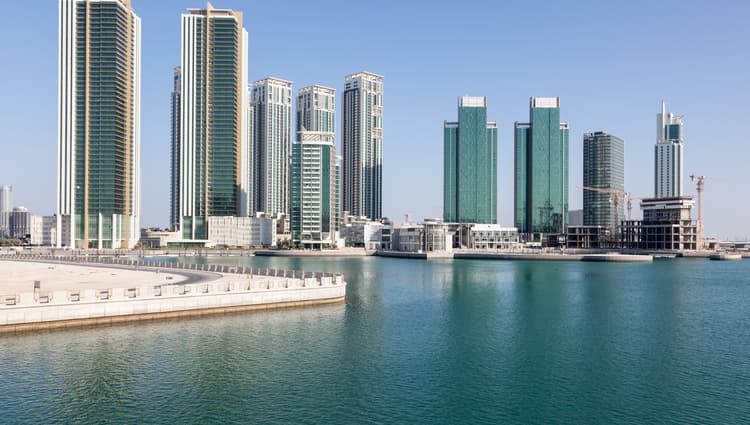
Abu Dhabi Global Market is a financial free zone that runs on English common law and licenses financial, non-financial and retail businesses through its own registry. Below is what it covers, who it suits, and how registration actually runs.
TASC brings route selection, authority coordination and post-licence planning into one managed process, so costs, documents and responsibilities stay clear.
We compare mainland, free-zone and offshore options against what you will sell, where customers sit, the premises needed and the planned workforce.

Where scoped, TASC can coordinate visa and PRO administration, bank-account preparation and introductions, accounting and staffing. Each approval remains with the relevant provider or authority.

Permitted activities and licence names vary by emirate and authority. Use these categories to start the conversation, then let TASC confirm the exact match.
Licensed business activities to choose from in the UAE
Trading and commercial
Buying, selling, importing or distributing approved goods and commodities.
Professional services
Consulting and skilled services where qualifications or sector approvals may matter.
Industrial and manufacturing
Making, processing or assembling products, often with premises and environmental requirements.
E-commerce
Selling through digital channels; the underlying goods or services still shape permissions.
Tourism and travel
Travel, tourism and hospitality activities that may need specialist approvals.
Media and creative
Publishing, production, design and related activities under suitable authority rules.
Education and training
Teaching, training or learning services, often subject to sector approval.
Regulated activities
Financial, health, legal, recruitment and other activities needing additional scrutiny.
Describe what you will sell and where. We will check the matching activity and any external approval before recommending a route.
Read current guidance for founders and expansion teams planning a UAE entity.

9 October 2026
Modern manufacturing facilities look entirely different today than they did a few years ago. Production has shifted away from purely manual labor toward automation, robotics, and complex digital systems. While this advanced technology improves output potential, it has created a significant challenge: a severe shortage of qualified workers capable of operating and maintaining these systems. When a factory floor lacks the right personnel, the entire business is affected. A talent gap is not just an administrative problem; it directly compromises daily production efficiency, increases operational costs, and hinders long-term growth. Production Efficiency When a manufacturing line operates without a full team, or when workers lack specific technical training, daily output drops immediately. Machinery can only perform as efficiently as the professionals who manage it. This loss of efficiency typically appears in three major areas: Increased Downtime: High-tech equipment requires strict preventive maintenance. Without skilled technicians on-site, small mechanical issues quickly escalate into major breakdowns, leaving entire lines idle. Higher Error Rates: Overworking existing staff or placing them in roles beyond their current training leads to mistakes. This results in defective products, wasted raw materials, and costly rework. Longer Lead Times: Missing assembly operators or shift supervisors means orders take longer to complete, creating operational backlogs that disrupt the shipping schedule. The table below outlines how an understaffed floor compares directly to a fully optimized facility: Operational Area Fully Staffed Facility Understaffed Facility Machine Up-Time Routine maintenance checks prevent sudden stops. Frequent unexpected breakdowns from delayed care. Quality Control Low defect rates due to thorough testing. Higher error rates due to rush and worker fatigue. Overtime Expenses Labor costs remain within standard budgets. Skyrocketing overtime pay to meet baseline goals. Business Growth The consequences of a talent shortage quickly extend beyond the factory floor to impact broader business goals. Consistent and predictable production is essential for company growth. First, inconsistent output strains client relationships. Missing delivery deadlines due to understaffed lines damages trust with distributors and retailers, who may eventually look for more reliable suppliers. Second, a talent gap limits a company's ability to scale. If a business wins a major new contract but lacks the engineers or operators to handle the increased volume, it must turn the opportunity down. Finally, without skilled staff, adopting new technologies to cut operational costs and remain competitive becomes impossible. Supply Chain Coordination Manufacturing does not operate in isolation. It relies on a balanced cycle of incoming raw materials and outgoing finished goods. When production slows down due to a lack of staff, it creates a disruptive domino effect across the entire supply chain. If a production line falls behind schedule, delivery trucks sit empty, warehouse inventory becomes disorganized, and distribution networks stall. This is why industrial operations must coordinate their factory hiring with strategic logistics recruitment plans. Keeping warehouse, transport, and production teams balanced is the only way to prevent costly bottlenecks between the facility and the customer. Sourcing Solutions Finding specialized technical talent for modern industrial roles is highly complex. Standard job boards rarely attract candidates with the precise certifications and machinery experience required for high-tech production. Internal HR teams are often occupied with daily administrative tasks and onboarding, leaving little time to actively source niche engineering talent. To resolve these shortages quickly, companies frequently partner with a specialized manufacturing recruitment agency. An experienced agency maintains an active database of vetted professionals, from plant managers to automation technicians. They know how to verify technical credentials and access passive candidates who are open to the right career move, reducing hiring times and protecting production schedules. Partner With TASC Outsourcing to Manage Manufacturing Talent Gap Managing workforce shortages on the factory floor requires a proactive strategy and strong market insights. At TASC Outsourcing, an experienced manufacturing recruitment agency, we help industrial businesses locate and secure the highly skilled technical talent needed to sustain production. Whether you need permanent automation engineers or flexible contract staff to handle busy production cycles, we manage the entire process from technical vetting to local compliance. Contact TASC Outsourcing UAE today to learn how our workforce solutions can protect your operational efficiency and support your business growth.

9 October 2026
In today's interconnected world, effective networking is crucial for professional growth. This guide outlines strategies for building a robust professional network. Start With Clear Goals Decide what you want from your network, whether that is finding a mentor, exploring a new industry, or growing your client base. Clear goals help you focus your time on the right people and events. Practical Networking Strategies Be active online: Keep your professional profile current and share useful insights in your field. Attend industry events: Conferences, trade shows, and meetups are great places to meet peers. Give before you ask: Offer help, introductions, or advice to build trust. Follow up: A short message after a meeting keeps the connection alive. Maintain Your Network Strong networks are built over time. Check in with contacts regularly, celebrate their successes, and stay open to new connections throughout your career.

9 October 2026
As environmental concerns rise, businesses in the UAE are increasingly adopting sustainability practices. This piece examines how organizations are integrating green initiatives into their operations and what it means for their workforce. A National Priority National sustainability strategies and net-zero commitments have pushed environmental performance onto board agendas. Companies are now expected to report on emissions, energy use, and responsible sourcing. Common Green Initiatives Energy efficiency: Smart building systems and solar installations to cut consumption. Sustainable supply chains: Working with suppliers that meet environmental standards. Waste reduction: Recycling programmes and reduced single-use materials in offices and sites. The Skills Behind Sustainability Delivering on these goals requires new expertise, from ESG analysts to renewable energy engineers. Employers that plan their hiring early and build specialist teams are better positioned to meet regulatory expectations and stakeholder demands.

9 October 2026
Emphasizing diversity in hiring processes not only promotes inclusivity but also enhances company performance. This article explores best practices for implementing diverse hiring strategies. Why Diversity Matters Teams with a mix of backgrounds, experiences, and perspectives tend to solve problems more creatively and better understand a diverse customer base. In a multicultural market like the GCC, this advantage is especially valuable. Best Practices for Inclusive Hiring Inclusive job descriptions: Use clear, neutral language and focus on essential skills. Structured interviews: Ask every candidate the same questions and score answers consistently. Diverse panels: Involve interviewers from different teams and backgrounds. Wider sourcing: Look beyond usual channels to reach under-represented talent pools. Measuring Progress Track diversity across each stage of the hiring funnel and review results regularly. Clear data helps leaders spot gaps early and keep inclusion goals on track, including national workforce targets such as Emiratisation and Saudization.
Clarify the questions that change your route, cost and timing.
Send us your activity, customer market, ownership and visa plan. We will identify what the shortlist depends on.
Start with what you will sell, where your customers are and how many people you plan to hire in the first 6 to 12 months. Mainland suits businesses that need an onshore base under locally licensed activities. A free zone can suit sector, facility or ecosystem needs, but mainland access and tax treatment require checks. Offshore structures serve eligible holding or international purposes and may need separate licences for UAE activity.
Tell us what you need, from company setup and visas to PRO, tax, payroll, banking or HR support, and the right TASC specialist will get back to you within 24 hours.
Phone
+971 4 358 8500
info@tascoutsourcing.com
Location
Dubai, UAE
Response Time
Within 24 hours


